

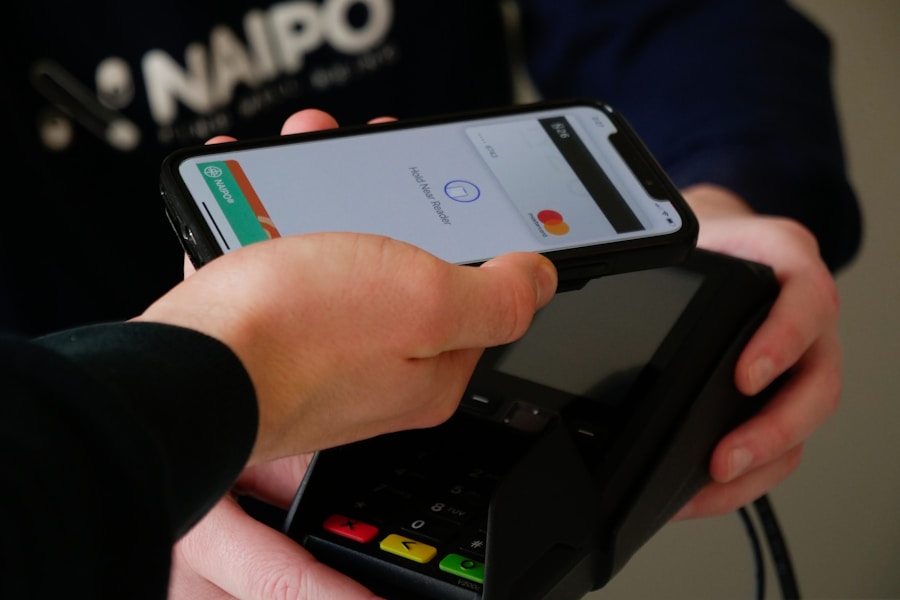
Cashless sibling treatment refers to the situation where one sibling receives financial support or assistance from their parents, while the other sibling does not. This can create a sense of inequality and unfairness within the family dynamic, leading to psychological and emotional distress for the sibling who is not receiving the same level of financial support. This type of treatment can have a significant impact on the mental health and well-being of both siblings, as well as the overall family dynamic. It is important to understand the psychological impact of cashless sibling treatment in order to address and mitigate its effects on individuals and relationships within the family.
The Psychological Impact of Cashless Sibling Treatment
The psychological impact of cashless sibling treatment can be profound and long-lasting. For the sibling who is not receiving financial support, feelings of resentment, jealousy, and inadequacy may arise. They may feel as though they are not as valued or loved by their parents, leading to a sense of low self-worth and self-esteem. This can also lead to feelings of anger and frustration towards their sibling who is receiving financial support, creating tension and conflict within the sibling relationship. On the other hand, the sibling who is receiving financial support may experience feelings of guilt and pressure to live up to their parents’ expectations, as well as a sense of responsibility towards their sibling who is not receiving the same level of support. This can create a burden of stress and anxiety, impacting their mental health and well-being as well.
Financial stress and mental health
The financial stress caused by cashless sibling treatment can have a significant impact on the mental health of both siblings. For the sibling who is not receiving financial support, the added pressure of having to fend for themselves financially can lead to feelings of anxiety, depression, and hopelessness. They may struggle with feelings of inadequacy and failure, as well as a sense of being left behind by their family. This can lead to a cycle of negative thinking and self-doubt, impacting their overall mental well-being. On the other hand, the sibling who is receiving financial support may experience feelings of guilt and pressure to live up to their parents’ expectations, as well as a sense of responsibility towards their sibling who is not receiving the same level of support. This can create a burden of stress and anxiety, impacting their mental health and well-being as well.
Sibling relationships and mental well-being
The impact of cashless sibling treatment on sibling relationships can be significant, leading to tension, conflict, and resentment between siblings. The unequal treatment can create a sense of competition and comparison between siblings, leading to strained relationships and a lack of trust and communication. This can have a negative impact on the mental well-being of both siblings, as they may struggle with feelings of isolation, loneliness, and disconnection from their family. The lack of support and understanding within the sibling relationship can exacerbate feelings of stress and anxiety, leading to a decline in mental health for both siblings.
Coping mechanisms for dealing with cashless sibling treatment
It is important for individuals experiencing cashless sibling treatment to develop healthy coping mechanisms in order to address and mitigate its effects on their mental health. This may include seeking support from friends, family members, or mental health professionals in order to process and manage their emotions. Engaging in self-care activities such as exercise, meditation, or creative outlets can also help individuals cope with the stress and anxiety caused by cashless sibling treatment. Additionally, setting boundaries and practicing open communication within the family dynamic can help alleviate tension and conflict between siblings, creating a more supportive and understanding environment for all involved.
Seeking professional help for mental health concerns
If individuals are struggling with the psychological impact of cashless sibling treatment, it is important for them to seek professional help in order to address their mental health concerns. This may include therapy or counseling in order to process and manage their emotions, as well as develop healthy coping mechanisms for dealing with the stress and anxiety caused by cashless sibling treatment. Mental health professionals can provide individuals with the support and guidance they need in order to navigate their feelings of resentment, jealousy, guilt, and pressure within the family dynamic. Seeking professional help can also help individuals develop a better understanding of themselves and their relationships with their siblings, leading to improved mental well-being and overall quality of life.
The importance of open communication and support in sibling relationships
In order to address the psychological impact of cashless sibling treatment, it is crucial for siblings to engage in open communication and provide support for one another. This may include having honest conversations about their feelings and experiences within the family dynamic, as well as expressing empathy and understanding towards one another’s struggles. By fostering a supportive and understanding environment within the sibling relationship, individuals can work towards healing and strengthening their bond with one another. This can lead to improved mental well-being for both siblings, as they feel validated, heard, and supported by one another.
In conclusion, cashless sibling treatment can have a significant impact on the mental health and well-being of individuals within the family dynamic. It is important for individuals to understand the psychological effects of this type of treatment in order to address and mitigate its impact on their mental health. By developing healthy coping mechanisms, seeking professional help when needed, and fostering open communication and support within sibling relationships, individuals can work towards healing and improving their overall well-being. It is crucial for families to address the effects of cashless sibling treatment in order to create a more supportive and understanding environment for all involved.