

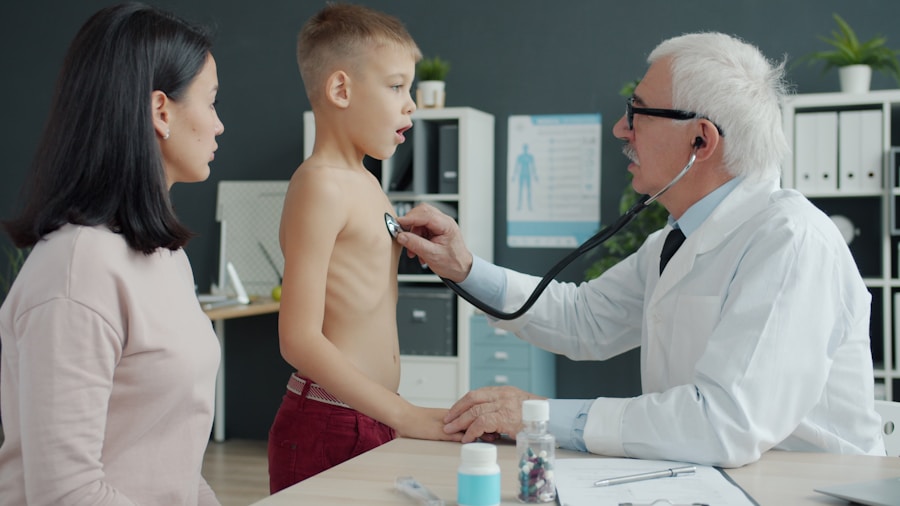
So, you’re wondering how CHIP actually helps kids and families get the healthcare they need? That’s a great question. In a nutshell, CHIP, which stands for the Children’s Health Insurance Program, is all about removing the hurdles that make it tough for many families to access doctors, check-ups, and treatments that are crucial for their children’s well-being. It’s a program designed to make sure that if your child needs to see a doctor, get a vaccination, or even see a specialist, cost or inconvenience doesn’t automatically put that out of reach.
Getting Started: What Exactly is CHIP?
Think of CHIP as a vital safety net for kids whose families don’t quite qualify for Medicaid, but still struggle to afford private health insurance. It’s a partnership between the federal government and individual states, meaning the specifics can vary a bit depending on where you live. But the core idea remains the same: to provide low-cost or free health coverage for children and, in some cases, pregnant women. This coverage typically includes a wide range of services, from doctor visits and hospital stays to prescriptions and dental care. Enrollment is usually straightforward, and the goal is simple: to ensure that every child has a chance to be healthy.
Who is CHIP For?
The program is designed for children in families with incomes that are too high to qualify for Medicaid, but still not high enough to afford private health insurance premiums and out-of-pocket costs. Each state sets its own income eligibility limits, which are usually expressed as a percentage of the federal poverty level. This flexibility allows states to tailor the program to their specific needs and populations. It’s important to check with your state’s CHIP program directly to understand the exact income guidelines.
- Income Eligibility: The Balancing Act
The income thresholds are the primary way CHIP helps families. They are carefully set to catch those who are falling through the cracks of the healthcare system. It’s not a one-size-fits-all approach, as states adjust these figures based on local economic conditions and the cost of living. This means a family that might qualify in one state might not in another. The aim is to bridge that gap, preventing parents from having to choose between healthcare for their child and other essential living expenses.
- Beyond Income: Other Eligibility Factors
While income is the main driver, other factors can come into play. These might include the number of children in the household, whether children are citizens or eligible immigrants, and in some states, a child’s age. Some CHIP programs also offer coverage to pregnant women, which is hugely important for maternal and infant health. These additional considerations help ensure that the program reaches the families who need it most.
How CHIP Works in Practice
Once enrolled, families use CHIP to access a network of healthcare providers. This often functions much like private insurance, where you choose doctors and facilities within the CHIP network. The program covers a broad spectrum of care, making it a comprehensive solution for many families’ health needs.
- Coverage for Essential Services
The services covered by CHIP are designed to be comprehensive. This means it’s not just about emergency care. It includes regular check-ups, immunizations, doctor visits for common illnesses, vision care, hearing tests, and prescription medications. For families who might otherwise delay or forgo these services due to cost, CHIP provides a critical pathway to consistent and necessary care, laying the groundwork for long-term health.
- State-Specific Variations
It’s worth reiterating that each state operates its CHIP program with its own set of rules and benefits. Some states might have full-service programs that are almost like Medicaid, while others might contract with private insurance companies to offer various plans. This means that understanding your specific state’s CHIP program is key to knowing exactly what services and benefits are available to your family.
Unpacking the Hurdles: Why Kids and Families Struggle with Healthcare Access
It’s no secret that getting healthcare can be a challenge for many families, even in a country with advanced medical capabilities. These obstacles aren’t just minor inconveniences; they can have a significant impact on a child’s health and well-being. Identifying these barriers is the first step in understanding how programs like CHIP can make a real difference.
The Ever-Present Financial Strain
For many families, the biggest roadblock to healthcare is simply the cost. Rising insurance premiums, high deductibles, and copayments can put regular doctor visits, medications, and specialist appointments out of reach. This often leads to delayed care, where minor issues can escalate into more serious and expensive problems. The fear of medical bills can be paralyzing, forcing parents into difficult decisions about their children’s health.
- The Cost of Insurance
Private health insurance, while often the ideal, comes with a price tag that many families can’t afford. Even employer-sponsored plans can have substantial monthly premiums and out-of-pocket expenses. For families of modest means, the cost of keeping everyone covered is a significant financial burden, often forcing them to choose the “cheapest” option, which may not be the best or most comprehensive.
- Out-of-Pocket Expenses are a Showstopper
Even with insurance, deductibles and copays can prevent families from seeking care. A $50 copay for a doctor’s visit might seem manageable for some, but for a family facing multiple illnesses or needing ongoing specialist care, these costs can quickly add up. This is where CHIP steps in, significantly reducing or eliminating these immediate financial barriers.
Beyond Finances: The Influence of Location and Logistics
Cost isn’t the only barrier. Where you live and how you get around can also create significant challenges in accessing healthcare. For families in rural areas, the nearest clinic or hospital might be hours away, and getting there can be an ordeal. Even in urban settings, transportation issues can be a major hurdle, especially for parents juggling work, childcare, and multiple appointments.
- The Rural Disconnect
In many rural communities, there’s a significant shortage of healthcare providers, including specialists. This means longer travel times to appointments, which can be difficult for families with limited time and resources. The lack of public transportation in these areas further exacerbates the problem, making it a genuine struggle to get to and from appointments.
- Navigating Urban Logistics
Even in cities, transportation can be a major barrier. Public transit might not be convenient, and the cost of taxis or ride-sharing services can add up. Finding childcare for other siblings while attending an appointment, or arranging transportation for children with special needs, adds another layer of complexity that CHIP aims to alleviate by making the actual healthcare itself more accessible and affordable.
Communication and Cultural Gaps
Language barriers and cultural differences can also create subtle but significant roadblocks to effective healthcare. If a doctor doesn’t understand a family’s concerns, or if a family feels misunderstood or disrespected due to cultural differences, it can lead to mistrust and a reluctance to seek care. This is especially true for families who are new to the country or who have limited English proficiency.
- The Language Divide
When a parent can’t effectively communicate their child’s symptoms to a doctor, or when medical instructions are not fully understood, it can lead to misdiagnosis or improper treatment. This can erode confidence in the healthcare system. Programs like CHIP often partner with providers who are equipped to offer language services.
- Cultural Understanding Matters
Cultural beliefs about health, illness, and medical treatment can vary widely. A lack of cultural sensitivity from healthcare providers can make families feel alienated or hesitant to seek care. CHIP aims to connect families with providers who are more attuned to these nuances, fostering a more positive and effective healthcare experience.
CHIP’s Direct Impact: Easing the Financial Burden of Healthcare
Perhaps the most direct and impactful way CHIP breaks down barriers is by tackling the financial strain. By making healthcare affordable, it opens doors that were previously shut for countless families. This isn’t just about saving money; it’s about enabling children to receive the care they need to thrive.
Reducing Premiums and Out-of-Pocket Costs
The core of CHIP’s financial relief lies in its low premiums and minimal out-of-pocket expenses. For families who would otherwise be priced out of health insurance, CHIP offers a viable and affordable alternative. This means fewer difficult choices between paying for rent or paying for a doctor’s visit.
- Affordable Monthly Payments
Compared to private insurance plans, CHIP premiums are significantly lower. In many cases, they are very small, or even non-existent, making it possible for families to maintain continuous coverage for their children without it being a crippling expense. This predictability helps families budget and avoid the stress of fluctuating insurance costs.
- Minimizing Copays and Deductibles
Beyond the premiums, CHIP also greatly reduces or eliminates copayments and deductibles. This means that when a child needs to see a doctor, get a prescription filled, or undergo a procedure, the immediate financial hit to the family is far less severe, if it exists at all. This encourages families to seek care promptly rather than waiting until a condition worsens.
Providing Comprehensive Coverage Beyond Basic Needs
CHIP doesn’t just cover the basics; it offers a broad range of services that are essential for a child’s overall health and development. This comprehensive approach means that families can rely on CHIP for everything from routine care to more specialized medical needs.
- Including Prescription Medications
Access to necessary medications can be a significant expense. CHIP typically covers prescription drugs, ensuring that children can get the treatments they need to manage chronic conditions or recover from illnesses without the added burden of high pharmacy costs.
- Dental and Vision Services are Key
Many private insurance plans have limited or no coverage for dental and vision care, which are critical for a child’s development and well-being. CHIP often includes these services, making it easier for families to ensure their children have healthy teeth and good eyesight, both vital for school and everyday life.
Reaching Further: How CHIP Addresses Geographic and Transportation Challenges
| State | Number of CHIP Enrollees | Percentage of Enrollees with Access to Transportation Services | Percentage of Enrollees Living in Rural Areas |
|---|---|---|---|
| Texas | 1,200,000 | 75% | 30% |
| California | 1,100,000 | 80% | 20% |
| Florida | 900,000 | 70% | 25% |
While CHIP primarily focuses on cost, its impact extends to addressing logistical barriers, particularly those related to geography and transportation. By making healthcare more accessible in practical terms, the program ensures that the affordability it offers can actually be utilized.
Encouraging Provider Networks and Accessibility
CHIP programs often work with a wide network of healthcare providers. This means families have more choices and are more likely to find a doctor or clinic that is conveniently located for them, whether they live in an urban center or a more rural setting.
- Building Robust Provider Networks
States work to build and maintain extensive networks of doctors, hospitals, and specialists who accept CHIP. This deliberate effort helps ensure that geographical distance isn’t the primary barrier to care. The wider the network, the more likely a family is to find a provider close to home.
- Supporting Rural Health Initiatives
In areas with limited healthcare infrastructure, CHIP can be a crucial lifeline. Some state CHIP programs may have specific initiatives to support rural health clinics or incentivize providers to practice in underserved regions, further bridging the gap for families in these areas.
Facilitating Transportation Solutions (Sometimes Indirectly)
While CHIP doesn’t typically pay for individual family car rides, its comprehensive nature can indirectly alleviate transportation burdens. For instance, by covering more services locally and reducing the need for multiple, far-flung appointments, it simplifies travel. In some cases, states that administer CHIP may also have partnerships or resources available for transportation assistance for medical appointments.
- Reducing the Number of Trips
When a child’s health needs are met comprehensively through CHIP, families may require fewer separate appointments with different specialists, potentially reducing the overall number of trips needed. This consolidation of care can be a significant practical benefit.
- Partnerships for Access
Individual states, in their administration of CHIP, might develop partnerships with transportation services or community organizations to help families get to their appointments. While not a universal CHIP benefit, these localized solutions are vital for overcoming transportation hurdles and ensuring that families can actually reach the care that CHIP makes affordable.
Bridging Divides: CHIP and Language & Cultural Barriers

CHIP’s commitment to accessible healthcare also extends to ensuring that diverse populations can receive culturally competent and linguistically appropriate care. This focus is vital for building trust and ensuring that all families feel welcomed and understood by the healthcare system.
Promoting Culturally Sensitive Healthcare Practices
Many CHIP programs actively work with healthcare providers to promote cultural sensitivity and awareness. This means encouraging providers to understand and respect the diverse backgrounds and beliefs of their patients, leading to more effective communication and better health outcomes.
- Training for Healthcare Professionals
States may offer or require training for healthcare professionals on cultural competency, helping them to better understand and serve families from various cultural backgrounds. This can involve recognizing different communication styles, understanding cultural beliefs about health, and avoiding stereotypes.
- Developing Culturally Relevant Resources
CHIP programs might also develop health education materials and outreach efforts that are tailored to specific cultural and linguistic groups, making information more accessible and relevant to these communities.
Supporting Language Access for All Families
For families where English is not the primary language, language access is paramount. CHIP programs are often designed to ensure that interpretation services are available during medical appointments and that important health information is translated into multiple languages.
- Providing Interpreters and Translators
This commonly includes offering professional interpreter services at doctor’s offices and hospitals, or providing translated versions of medical forms and patient education materials. This ensures that language is not a barrier to understanding and receiving accurate medical care.
- Multilingual Communication Outreach
CHIP outreach efforts themselves are often conducted in multiple languages to ensure that eligible families are aware of the program and can easily navigate the enrollment process, regardless of their primary language.
The Far-Reaching Benefits: CHIP’s Impact on Preventive and Specialty Care
CHIP’s influence goes beyond just treating immediate illnesses; it plays a critical role in ensuring children receive essential preventive care and have access to specialized medical services when needed. This proactive approach to health is crucial for long-term well-being.
Emphasizing Preventive Health: The First Line of Defense
Regular check-ups, vaccinations, and screenings are fundamental to keeping children healthy and catching potential problems early. CHIP coverage for these services helps prevent more serious and costly health issues down the line, promoting a culture of wellness.
- Routine Well-Child Visits
CHIP ensures that children can attend their regular well-child check-ups, which are vital for monitoring growth and development, receiving immunizations, and addressing any emerging health concerns. These visits are the cornerstone of pediatric preventive care.
- Vaccinations for a Healthier Future
This program makes sure children receive all recommended vaccinations, protecting them and their communities from preventable diseases. This is a critical public health intervention that CHIP facilitates for many families.
- Screenings for Early Detection
CHIP typically covers various screenings, such as vision, hearing, and developmental screenings, allowing for early detection and intervention of issues that could impact a child’s learning and overall quality of life.
Accessing Specialized Medical Care
When a child needs to see a specialist – for example, a cardiologist, an endocrinologist, or a dermatologist – CHIP can make this essential care accessible without overwhelming financial strain. This is particularly important for children with chronic conditions or complex health needs.
- Connecting to Specialists
CHIP provides coverage for visits to specialists, so children with specific medical conditions can receive the expert care they require. This is crucial for managing chronic illnesses and ensuring that children get the best possible treatment for their unique needs.
- Managing Chronic Conditions
For children with ongoing health issues like asthma, diabetes, or serious allergies, consistent access to specialized care and medications is vital. CHIP helps to make this ongoing management feasible for families.
The Horizon Ahead: Continuously Improving Healthcare Access Through CHIP
The work of making essential health services accessible is an ongoing process, and CHIP continues to evolve to meet the changing needs of families. There’s always room for improvement, and a focus on innovation and expansion remains key.
Expanding Eligibility and Outreach Efforts
As the healthcare landscape shifts, CHIP programs are continuously looking for ways to expand their reach and ensure that more eligible families are aware of and enrolled in the program. Fine-tuning eligibility criteria and strengthening outreach are central to this effort.
- Adapting Income Guidelines
States regularly review and adjust their income eligibility limits for CHIP to keep pace with changes in the cost of living and economic conditions. This ensures that the program remains relevant and reaches families who are still struggling to afford private insurance.
- Targeted Outreach Campaigns
To reach families who might be unaware of CHIP or face barriers to enrollment, states conduct targeted outreach campaigns through schools, community centers, and healthcare providers. This proactive approach aims to ensure maximum participation.
Streamlining Enrollment and Renewals
The process of enrolling in and renewing CHIP coverage can sometimes be complicated. Efforts are continuously underway to simplify these processes, making it easier for families to access and maintain their health insurance.
- Simplifying Application Processes
States are working to make application forms more user-friendly and to offer online and mobile submission options. Reducing paperwork and streamlining the intake process can significantly ease the burden on families.
- Automated Renewals and Reminders
Implementing automated renewal processes and sending timely reminders can help families maintain continuous coverage without the risk of inadvertently losing benefits. This reduces administrative hurdles for both families and state agencies.
By consistently addressing financial, geographic, linguistic, and cultural barriers, CHIP plays an indispensable role in ensuring that children have access to the essential health services they need to grow, learn, and thrive. Its ongoing evolution signals a commitment to a healthier future for all.
FAQs
What is CHIP and how does it provide access to essential health services?
CHIP, the Children’s Health Insurance Program, is a federal-state partnership program that provides low-cost or free health coverage to children in families that earn too much to qualify for Medicaid, but cannot afford private insurance. CHIP provides access to essential health services such as doctor visits, immunizations, prescriptions, dental and vision care, inpatient and outpatient hospital care, and more.
What are the barriers to health services for children and families that CHIP addresses?
CHIP addresses various barriers to health services for children and families, including financial barriers, geographic and transportation barriers, as well as language and cultural barriers. These barriers can prevent individuals from accessing necessary health care services, and CHIP works to overcome these obstacles.
How does CHIP break down financial barriers to health care?
CHIP provides low-cost or free health coverage to eligible children, effectively breaking down financial barriers to health care for families who may not be able to afford private insurance. This allows children to access essential health services without the burden of high costs.
How does CHIP address geographic and transportation barriers to health services?
CHIP addresses geographic and transportation barriers by ensuring that eligible children have access to health care services through a network of providers, including telehealth options. This helps overcome the challenges of living in remote or underserved areas, as well as transportation limitations.
How does CHIP overcome language and cultural barriers to health services?
CHIP addresses language and cultural barriers by providing language assistance services and culturally competent care to ensure that all eligible children and families can effectively communicate with their health care providers and receive care that respects their cultural backgrounds.