
Is Life Insurance Worth It in 2025? A Comprehensive Guide
Deciding on life insurance is a major financial step. Let’s explore if it makes sense for your situation in 2025, considering the benefits and costs.
Understanding the Fundamentals of Life Insurance
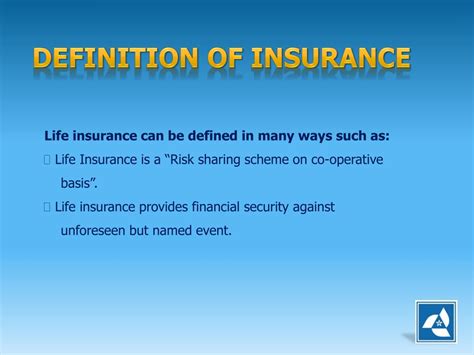
Before determining if life insurance is worth the investment in 2025, it’s crucial to grasp its core concepts. At its heart, life insurance is a contract between you (the policyholder) and an insurance company. You agree to pay premiums regularly, and in return, the insurer promises to pay a designated sum of money (the death benefit) to your chosen beneficiaries upon your passing. This financial tool primarily serves as a protection mechanism for those who depend on you financially.
Understanding the terminology is key to navigating the options effectively. Misinterpreting terms can lead to selecting inadequate coverage or paying for features you don’t need.
What is Life Insurance?
Life insurance acts as a financial safety net. It provides a tax-free lump sum payment to your beneficiaries after your death. This money can help them cover immediate expenses like funeral costs, outstanding debts, and ongoing living costs, replacing the income you would have provided. The fundamental purpose is to mitigate financial hardship for your loved ones in your absence.
How Does It Work?
The mechanics are straightforward:
- Application & Underwriting: You apply for a policy. The insurer assesses your risk based on age, health, lifestyle, and the coverage amount requested.
- Premium Payments: Once approved, you pay premiums (monthly, quarterly, or annually) to keep the policy active (in force).
- Death Benefit Payout: Upon your death, your beneficiaries file a claim with the insurance company. After verification, the insurer pays the death benefit according to the policy terms.
This structure ensures that your financial responsibilities can still be met even when you are no longer there to provide.
| Term | Definition | Importance |
|---|---|---|
| Policyholder | The individual who owns the life insurance policy. | Responsible for premium payments and policy management. |
| Insured | The person whose life is covered by the policy. | Their death triggers the payout. Often the same as the policyholder. |
| Beneficiary | The person(s) or entity designated to receive the death benefit. | Receives the financial support upon the insured’s death. |
| Premium | The regular payment made to keep the policy active. | Failure to pay can lead to policy lapse. |
| Death Benefit | The amount paid out to beneficiaries upon the insured’s death. | The core financial protection element of the policy. |
| Cash Value | A savings component in permanent life insurance that grows tax-deferred. | Can be borrowed against or withdrawn, adds an investment element (but at a cost). |
| Underwriting | The process insurers use to assess risk and determine eligibility/premiums. | Determines acceptance and the cost of the insurance. |
| Rider | An optional add-on to a policy that provides supplemental benefits. | Allows customization (e.g., accelerated death benefit, waiver of premium). |
Types of Life Insurance: Which Path Suits You?
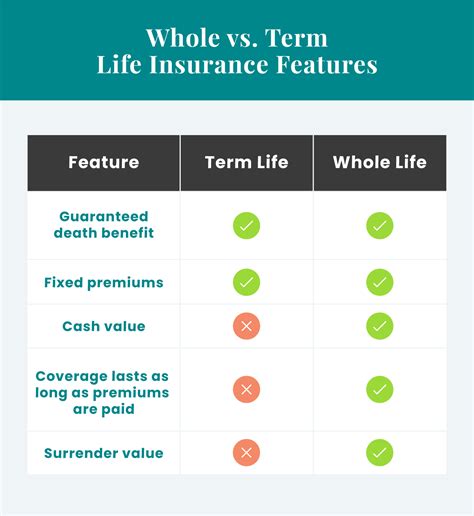
Choosing the right type of life insurance is as important as deciding to get it at all. The two main categories are Term and Permanent life insurance, each serving different needs and financial goals. Understanding their distinctions is vital for determining if life insurance is truly worth it for your specific circumstances in 2025.
Your choice will significantly impact the cost, duration of coverage, and potential for cash value accumulation.
Term Life Insurance Explained
Term life insurance provides coverage for a specific period (the “term”), typically ranging from 10 to 30 years. If the insured passes away during this term, the death benefit is paid to the beneficiaries. If the term expires before the insured’s death, the coverage ends, and no benefit is paid unless the policy is renewed (often at a much higher premium) or converted.
- Pros: Significantly lower premiums compared to permanent life insurance, simpler to understand, ideal for covering specific financial obligations with defined timelines (like a mortgage or raising children).
- Cons: Coverage is temporary, no cash value accumulation, premiums increase sharply upon renewal after the initial term.
- Best For: Young families, individuals with temporary high-debt loads (like a mortgage), those needing maximum coverage for the lowest initial cost.
Permanent Life Insurance Explained
Permanent life insurance, including types like Whole Life and Universal Life, provides coverage for the insured’s entire lifetime, as long as premiums are paid. A key feature is the accumulation of cash value on a tax-deferred basis.
- Whole Life: Offers fixed premiums, a guaranteed death benefit, and guaranteed cash value growth. It’s predictable but less flexible.
- Universal Life: Offers more flexibility in premium payments and death benefits. Cash value growth often depends on current interest rates or market performance (in Variable Universal Life).
- Pros: Lifelong coverage, builds cash value that can be accessed, offers more financial planning options (like estate planning).
- Cons: Significantly higher premiums than term life, more complex policy structures, cash value growth might be slow initially or variable.
- Best For: High-net-worth individuals concerned with estate taxes, those seeking a forced savings mechanism, individuals desiring lifelong coverage certainty. You can learn more about the intricacies from resources like the Insurance Information Institute (III).
Other Variations
Less common but still relevant are options like No-Exam life insurance (offering faster approval but often at higher costs) and Group Life insurance (typically offered through employers, often with limited coverage amounts and portability).
| Feature | Term Life Insurance | Permanent Life Insurance (Whole/Universal) |
|---|---|---|
| Coverage Duration | Specific Term (e.g., 10, 20, 30 years) | Lifetime (as long as premiums are paid) |
| Premiums | Lower, Fixed for Initial Term | Higher, Can be Fixed (Whole) or Flexible (UL) |
| Cash Value | No | Yes, Grows Tax-Deferred |
| Complexity | Simple | More Complex |
| Primary Goal | Income Replacement, Debt Coverage | Estate Planning, Lifelong Needs, Cash Accumulation |
| Flexibility | Low | Moderate to High (especially Universal Life) |
Key Factors Determining if Life Insurance is Worth It for You in 2025

The decision of whether life insurance is “worth it” isn’t universal; it’s deeply personal and depends heavily on your individual circumstances, especially looking ahead to 2025. Several key factors influence this decision. If others rely on you financially, or if your death would create a financial burden, life insurance likely holds significant value.
Consider these aspects carefully to assess your specific need.
Financial Dependents (Spouse, Children, Aging Parents)
This is arguably the most significant factor. If you have a spouse who relies on your income, young children who need support for years to come, or aging parents you care for, life insurance provides a crucial safety net. It ensures they can maintain their standard of living, cover educational costs, or afford necessary care without facing financial ruin. The more dependents you have, the stronger the argument for life insurance becomes.
Debt Obligations (Mortgage, Loans, Credit Cards)
Consider the debts that would remain if you were to pass away. A mortgage is often the largest debt for many families. Life insurance can provide the funds needed to pay off the mortgage, ensuring your family keeps their home. Similarly, it can cover student loans (especially private ones not discharged upon death), car loans, and credit card balances, preventing these burdens from falling on your loved ones.
Income Replacement Needs
How much income would need to be replaced to support your family’s lifestyle? Life insurance aims to fill this gap. Calculate your annual income, estimate how many years your family would need support, and factor in future expenses like college tuition. This helps determine the necessary coverage amount and underscores the value if your income is essential to your household.
Final Expenses and Estate Planning
Even without dependents or major debts, everyone faces final expenses. These include funeral and burial costs, medical bills not covered by health insurance, and potential estate settlement costs. Life insurance can cover these expenses, preventing depletion of savings or assets intended for other purposes. For wealthier individuals, it can also be a tool for estate planning, providing liquidity to pay estate taxes as detailed by sources like the American Bar Association.
Business Ownership Considerations
If you own a business, life insurance can be vital. Key person insurance protects the business against financial loss resulting from the death of a crucial owner or employee. Buy-sell agreements, often funded by life insurance, facilitate the smooth transition of ownership if a partner passes away, ensuring business continuity.
Current Economic Climate (Inflation, Interest Rates in 2025 context)
In 2025, factors like persistent inflation and fluctuating interest rates add another layer. Inflation erodes purchasing power, meaning the coverage amount needed today might be insufficient in the future. Consider opting for a slightly higher death benefit or policies with inflation protection riders. While interest rates impact the returns on the cash value component of permanent policies, the core value proposition of the death benefit as a risk management tool remains largely independent of these fluctuations.
| Life Stage / Situation | Typical Need for Life Insurance | Key Considerations |
|---|---|---|
| Young Single, No Dependents | Low | Final expenses, co-signed debts |
| Married/Partnered, No Kids | Moderate | Income replacement for spouse, mortgage/debt coverage |
| Young Family with Children | High | Income replacement, childcare, education costs, mortgage |
| Established Family, Older Kids | High to Moderate | Income replacement (less duration), college, mortgage |
| Empty Nesters | Moderate to Low | Estate planning, final expenses, legacy goals |
| Single Parent | Very High | Sole income replacement, childcare, long-term support |
| Business Owner | High | Key person protection, buy-sell agreement funding |
| Retired | Low to Moderate | Final expenses, estate taxes, legacy, pension replacement |
Calculating the Cost: What Influences Premiums in 2025?
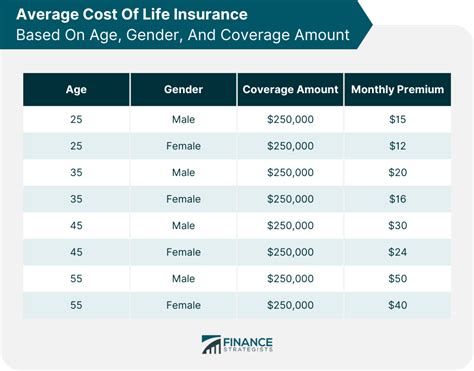
Understanding the cost is central to deciding if life insurance is worth it. Premiums aren’t arbitrary; they are calculated based on the insurer’s assessment of the risk associated with insuring your life. Several factors play a significant role in determining how much you’ll pay, and advancements in data analysis continue to refine these calculations into 2025.
Knowing these factors helps you anticipate costs and understand why quotes might vary.
Age and Gender
Age is one of the most substantial factors. Younger individuals generally pay significantly lower premiums because they represent a lower mortality risk. Premiums increase with age, making it advantageous to secure coverage earlier. Statistically, women have a longer life expectancy than men, which often results in slightly lower premiums for females compared to males of the same age and health status.
Health Status and Medical History
Your current health and medical history are critical. Insurers typically require a medical exam (though no-exam options exist) and review your medical records. Conditions like heart disease, diabetes, cancer, high blood pressure, and high cholesterol can lead to higher premiums or even denial of coverage. Family medical history (e.g., hereditary diseases) can also be considered. As underwriting models become more sophisticated in 2025, leveraging more data points, the precision of risk assessment based on health profiles continues to increase.
Lifestyle Choices (Smoking, Hobbies)
Lifestyle significantly impacts risk. Smoking or using tobacco products dramatically increases premiums due to associated health risks. Engaging in hazardous hobbies (e.g., skydiving, scuba diving, private piloting) or having a high-risk occupation (e.g., construction, logging) can also lead to higher rates. Insurers assess the likelihood of premature death associated with these activities.
Policy Type and Coverage Amount
The type of policy (Term vs. Permanent) and the amount of the death benefit directly influence the cost. As discussed earlier, term life is much cheaper than permanent life for the same coverage amount. Naturally, a policy with a $1 million death benefit will cost more than one with a $250,000 benefit, assuming all other factors are equal. The length of the term (for term policies) also affects the price; a 30-year term costs more than a 10-year term.
Riders and Add-ons
Optional policy riders, while adding valuable benefits, also increase the premium. Common riders include:
- Accelerated Death Benefit: Allows access to a portion of the death benefit if diagnosed with a terminal illness.
- Waiver of Premium: Waives premium payments if you become totally disabled.
- Accidental Death Benefit: Pays an additional amount if death occurs due to an accident.
- Child Rider: Provides a small amount of term coverage for your children.
| Factor | Impact on Premium | Why? | Example Trend (2025 Context) |
|---|---|---|---|
| Age | Increases with age | Higher mortality risk as age increases. | Locking in rates early remains advantageous. |
| Gender | Typically lower for females | Longer average life expectancy for women. | Gap may slowly narrow with lifestyle convergence. |
| Health | Higher for poorer health | Increased risk of premature death due to medical conditions. | Increased use of wearables/health data in underwriting? |
| Smoking Status | Significantly higher for smokers | Drastically increased health risks (cancer, heart disease). | Strict differentiation continues, vaping often treated similarly. |
| Lifestyle/Occupation | Higher for risky activities | Increased chance of accidental death or injury. | Insurers refine risk categories based on specific activities. |
| Policy Type | Higher for Permanent | Lifelong coverage and cash value component add cost. | Term remains popular for budget-conscious buyers. |
| Coverage Amount | Increases with amount | Higher potential payout for the insurer. | Inflation may push average desired coverage amounts higher. |
| Term Length | Increases with length | Longer period of guaranteed level premiums increases insurer’s risk. | 20-year and 30-year terms remain common choices. |
| Riders | Increases cost | Each added benefit comes with an associated price. | Living benefit riders gaining popularity. |
When Might Life Insurance Not Be Worth It?

While life insurance is a valuable tool for many, it’s not universally necessary or “worth it” for everyone. In certain situations, the cost of premiums might outweigh the potential benefits, or alternative financial strategies might be more appropriate. Recognizing these scenarios is crucial for making a truly informed decision in 2025.
Consider if any of these situations apply to you.
No Dependents and Sufficient Assets
If you are single, have no children, and no one relies on your income or financial support (like aging parents), the primary reason for life insurance – protecting dependents – doesn’t apply. Furthermore, if you have already accumulated enough savings and assets to comfortably cover your own final expenses (funeral, medical bills, estate settlement costs) and any outstanding debts, the need for a death benefit diminishes significantly.
Adequate Savings/Investments for Final Expenses
Even if you have some minor debts, if your savings, investments, or other assets are more than sufficient to cover these plus final expenses, life insurance might be redundant. Your estate could handle these obligations without causing hardship to anyone. The key here is having readily accessible or liquid assets to meet these costs promptly.
If Premiums Strain Your Budget Excessively
Life insurance should provide peace of mind, not financial stress. If paying the premiums for the required coverage level would significantly strain your budget, forcing you to cut back on essential expenses or preventing you from saving for other important goals (like retirement or emergencies), it might not be worth it at this time. A lower-cost term policy might be an option, but if even that is unaffordable, focusing on building an emergency fund and reducing debt might be a higher priority. Basic information on budgeting can be found at consumer finance sites like USA.gov.
Considering Alternatives (Self-Insurance, Investing the Difference)
For some, particularly those disciplined with savings and investments, a strategy of “self-insurance” might be viable. This involves diligently saving and investing the money you would have spent on premiums. The goal is to build a large enough asset base over time that can provide the same financial security as a death benefit would. This approach requires significant discipline and carries investment risk, but it can be a valid alternative for those comfortable with managing their investments and who start early. This is often debated in the “buy term and invest the difference” discussion.
| Scenario | Reason Life Insurance May Be Less Critical | Alternative Strategy | Considerations |
|---|---|---|---|
| No Financial Dependents | Core purpose (dependent protection) absent | Ensure sufficient assets for final expenses | Future needs may change (marriage, children). |
| Substantial Personal Wealth/Assets | Estate can cover all debts/expenses | Earmark assets for final costs | Ensure liquidity for timely expense payment. |
| Premiums Unaffordable | Creates current financial hardship | Focus on budgeting, debt reduction, savings | Revisit insurance need if financial situation improves. |
| Disciplined Saver/Investor | Prefers self-funding potential future needs | “Invest the difference” strategy | Requires discipline, investment risk, time horizon. |
| Covered by Adequate Group Insurance | Basic needs met via employer policy | Supplement if needed, check portability | Coverage often ends if you leave the job. |
Making the Decision: Steps to Take

Deciding whether life insurance is worth it in 2025 requires careful consideration and a structured approach. It’s not a decision to be rushed. By following a logical process, you can assess your needs accurately and choose a path that aligns with your financial goals and responsibilities.
Here are practical steps to guide your decision-making process.
Assess Your Needs Thoroughly
Go back to the “Key Factors” section. Honestly evaluate:
- Who depends on you financially?
- What debts would you leave behind?
- How much income would need replacing, and for how long?
- What are your estimated final expenses?
- Do you have business continuation needs?
- Do you have specific legacy or estate planning goals? Quantify these needs as much as possible to estimate the required coverage amount. Online life insurance calculators can provide a starting point.
Get Multiple Quotes
Once you have an idea of the policy type (Term vs. Permanent) and coverage amount needed, obtain quotes from several reputable insurance companies. Premiums can vary significantly between insurers for the same coverage, even with similar underwriting criteria. Compare quotes apples-to-apples, ensuring the term length, coverage amount, and any included riders are consistent. Use online comparison tools or work with an independent insurance broker who can access multiple carriers.
Understand Policy Details (Read the fine print!)
Don’t just focus on the premium and death benefit. Carefully review the policy illustration and contract details. Understand:
- Guarantees (vs. projections, especially for cash value in permanent policies).
- Exclusions (situations where the death benefit might not be paid, e.g., suicide clause within the first ~2 years).
- Terms for riders (e.g., definitions of disability or terminal illness).
- Conversion options (for term policies – can you convert to permanent later?).
- Premium payment schedules and grace periods.
- Fees and charges (especially for Universal Life policies).
Consider Consulting a Financial Advisor
Navigating life insurance options, especially permanent policies or complex estate planning scenarios, can be challenging. A qualified, independent financial advisor or insurance professional can provide personalized guidance. They can help you assess your needs, understand different products, and integrate life insurance into your broader financial plan. Look for advisors who are fiduciaries, meaning they are obligated to act in your best interest. Reputable organizations like the Certified Financial Planner Board of Standards (CFP Board) offer resources for finding qualified professionals.
Re-evaluate Periodically
Your life insurance needs aren’t static. Major life events – marriage, divorce, birth of a child, buying a home, significant income changes, children becoming independent – should trigger a review of your coverage. Ensure your policy still aligns with your current situation and future goals. What was sufficient five years ago might be inadequate or excessive today.
| Action Step | Description | Key Outcome | Tool/Resource |
|---|---|---|---|
| 1. Needs Assessment | Calculate financial obligations, income replacement, final expenses. | Estimated coverage amount and duration needed. | Online calculators, personal budget |
| 2. Research Policy Types | Understand Term vs. Permanent pros/cons relative to your needs assessment. | Identification of suitable policy type(s). | III.org, Financial education sites |
| 3. Obtain Multiple Quotes | Compare premiums from several insurers for the identified policy type/amount. | Understanding market rates, potential savings. | Online quote tools, insurance brokers |
| 4. Review Policy Details | Read sample policies, understand exclusions, fees, guarantees, riders. | Clear understanding of the contract terms. | Policy illustrations, insurer documents |
| 5. Consult Professional (Optional) | Seek advice from a financial advisor or independent insurance agent. | Personalized recommendations, plan integration. | CFP Board, NAIFA directory |
| 6. Make Informed Decision | Choose a policy or decide against coverage based on assessment and quotes. | Appropriate risk management strategy in place. | Application forms |
| 7. Periodic Review | Re-assess coverage needs after major life events or every few years. | Ensure ongoing alignment with circumstances. | Personal financial check-ups |
Conclusion
So, is life insurance worth it in 2025? For many individuals, particularly those with financial dependents or significant debts, the answer remains a resounding yes. It provides an unparalleled financial safety net, ensuring that your loved ones are protected from hardship in the event of your untimely passing. The peace of mind derived from knowing your family’s financial future is secure is often invaluable.
However, life insurance is not a one-size-fits-all solution. If you have no dependents and possess sufficient assets to cover debts and final expenses, the cost of premiums might not be justified. Alternatives like diligent saving and investing (“self-insurance”) could be viable, though they require discipline and carry different risks.
The key lies in a thorough, honest assessment of your personal circumstances. Consider your dependents, debts, income replacement needs, and final expense costs. Compare the costs and benefits of different policy types (Term vs. Permanent) and obtain multiple quotes. Understand the policy details before committing. As economic conditions evolve, reviewing your needs periodically remains essential.
Ultimately, the decision hinges on balancing the cost of premiums against the potential financial devastation your death could cause for those you leave behind. By carefully weighing the factors discussed and taking deliberate steps, you can confidently determine if life insurance is a worthwhile investment for your financial security in 2025 and beyond.
- In the “Types of Life Insurance” section, link “Term Life Insurance Explained” and “Permanent Life Insurance Explained” to more detailed articles comparing these types (if available). E.g., “Learn more in our deep dive: [Term vs. Whole Life Insurance Showdown]”
- In “Calculating the Cost,” link the mention of online calculators to a dedicated life insurance calculator tool or article on your site (if available). E.g., “Use our [Life Insurance Needs Calculator] to get a personalized estimate.”
- In “Making the Decision,” link “Consider Consulting a Financial Advisor” to an article about choosing a financial advisor or the benefits of financial planning (if available). E.g., “Read our guide on [How to Choose the Right Financial Advisor].”