

How Much is Invisalign With Insurance in 2025? Your Complete Guide
Considering Invisalign? Understanding potential insurance coverage is key to managing costs. Let’s explore how insurance impacts your 2025 Invisalign investment.
Understanding the Baseline Cost of Invisalign in 2025
https://www.google.com/maps/search/?api=1&query=Top+Rated+Orthodontist+New+York
Before factoring in insurance, it’s crucial to understand the typical price range for Invisalign treatment. In 2025, while precise figures can vary, the total cost generally falls between $3,000 and $8,000. This broad range reflects several influencing factors. Remember, this is the total cost before any insurance contributions are applied.
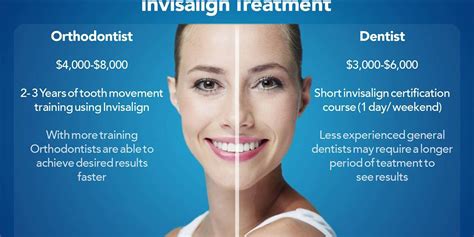
Several elements determine the final price tag quoted by your orthodontist. The primary driver is the complexity of your case – minor adjustments will naturally cost less than comprehensive realignments. The anticipated length of your treatment also plays a significant role; longer treatments require more aligner sets and more check-up appointments. Furthermore, the experience and location of your chosen Invisalign provider can impact pricing, with specialists in major metropolitan areas sometimes commanding higher fees.
| Factor Affecting Cost | Description | Typical Impact |
|---|---|---|
| Case Complexity | The degree of teeth misalignment and bite correction needed. | Major |
| Treatment Length | The total duration required to achieve desired results (more aligners). | Major |
| Provider Experience/Type | Orthodontist vs. General Dentist; years of Invisalign experience. | Moderate |
| Geographic Location | Cost of living and market rates in the provider’s area. | Moderate |
| Included Services | Consultations, X-rays, retainers, refinement aligners included in the fee. | Minor-Moderate |
| Specific Invisalign Product | Invisalign Full, Lite, Express, Teen have different associated costs. | Moderate |
Understanding these baseline cost drivers helps you contextualize the potential impact of your insurance coverage. Always seek a personalized consultation for an accurate quote.
How Dental Insurance Typically Covers Orthodontics

Navigating dental insurance for orthodontic treatments like Invisalign requires understanding specific terms and limitations. Unlike general dental procedures, orthodontic coverage often has unique rules. Many dental plans offer an orthodontic benefit, but it’s frequently subject to a lifetime maximum (LTM). This means the insurance company will pay up to a certain amount towards orthodontic treatment once during your lifetime, regardless of how long the treatment takes or if you switch plans. Common lifetime maximums range from $1,000 to $3,000, but this varies significantly by plan.
Another critical factor is potential age limits. Some policies only provide orthodontic coverage for dependents under a certain age (often 19 or 26). Adult orthodontic coverage is becoming more common but isn’t universal, so verify this specifically. Additionally, be aware of waiting periods. Some plans require you to be enrolled for a specific duration (e.g., 6-12 months) before orthodontic benefits become active. Finally, in-network versus out-of-network providers drastically affect your costs. Staying in-network usually yields higher coverage percentages and lower out-of-pocket expenses.
| Insurance Term | Description | Common Scenario for Invisalign |
|---|---|---|
| Lifetime Maximum (LTM) | The total amount the plan will ever pay for orthodontic treatment per insured person. | Plan pays up to $1,500 LTM; if Invisalign costs $5,000, insurance pays $1,500, you pay $3,500. |
| Percentage Coverage | The percentage of the orthodontic fee the insurance covers (often 50%), up to the LTM. | Plan covers 50% up to $2,000 LTM; on a $5,000 cost, insurance pays $2,000 (not $2,500 due to LTM). |
| Age Limit | Maximum age for eligibility for orthodontic benefits (often applies to dependents). | Plan covers orthodontics only up to age 19; adults receive no benefit. |
| Waiting Period | The time you must be enrolled in the plan before orthodontic benefits activate. | 12-month waiting period means no coverage if treatment starts before being insured for a year. |
| In-Network Provider | An orthodontist contracted with your insurance company, usually offering lower negotiated rates. | Lower out-of-pocket costs due to pre-agreed fees and potentially higher coverage percentage. |
| Out-of-Network Provider | An orthodontist not contracted with your insurance; coverage may be lower or non-existent. | Higher out-of-pocket costs; you might need to pay upfront and seek reimbursement. |
| Pre-Authorization | Requirement to get insurance approval before starting treatment to ensure coverage. | Essential step; skipping it could lead to denial of claims. |
PPO vs. HMO vs. Dental Discount Plans
Your type of dental plan significantly influences coverage:
- PPO (Preferred Provider Organization): Generally offers more flexibility in choosing providers (both in and out-of-network, though in-network is cheaper). Often includes orthodontic benefits, but check specifics.
- HMO (Health Maintenance Organization): Usually requires you to use specific in-network providers and may require referrals. Orthodontic coverage might be more limited or require specific network orthodontists.
- Dental Discount Plans: These are not insurance. They offer discounts on services from participating dentists/orthodontists for a membership fee. There’s no lifetime maximum payout, just a reduced fee schedule. Learn more about different dental plan types from the American Dental Association (ADA).
The Importance of Pre-Authorization
Many insurance plans require pre-authorization or predetermination for major procedures like orthodontics. Your orthodontist’s office typically submits the treatment plan and costs to your insurer before you begin treatment. The insurance company reviews it and confirms what portion, if any, they will cover. This step is vital to avoid unexpected denials later.
Estimating Your Out-of-Pocket Invisalign Cost with Insurance (2025 Focus)
Predicting your exact out-of-pocket cost for Invisalign in 2025 involves combining the total treatment quote with your specific insurance benefits. The process starts with a consultation with an Invisalign provider. They will assess your needs and provide a total treatment fee. Simultaneously, you or the provider’s office must verify your orthodontic coverage details with your insurance company.
Once you have both the total cost and the confirmed insurance benefit (including the Lifetime Maximum, coverage percentage, and whether Invisalign is explicitly covered), you can calculate your estimated responsibility. For example, if the total Invisalign cost is $6,000 and your insurance provides 50% coverage up to a $2,000 Lifetime Maximum, the insurance will pay $2,000. Your out-of-pocket cost would then be $6,000 – $2,000 = $4,000. Any applicable deductibles must be met before the insurance payout begins, though deductibles are less common for orthodontics compared to general dentistry.
| Scenario Element | Example 1 | Example 2 | Example 3 (No Ortho Benefit) |
|---|---|---|---|
| Total Invisalign Cost | $5,500 | $7,000 | $6,000 |
| Insurance Coverage % | 50% | 50% | 0% |
| Lifetime Maximum (LTM) | $1,500 | $2,500 | $0 |
| Calculated Benefit | $1,500 (LTM applies) | $2,500 (LTM applies) | $0 |
| Est. Out-of-Pocket | $4,000 ($5.5k-$1.5k) | $4,500 ($7k-$2.5k) | $6,000 ($6k-$0) |
Note: These are simplified examples. Deductibles are not included.
Questions to Ask Your Insurance Provider
To get clarity, ask your insurer these specific questions:
- Does my plan include orthodontic coverage for adults/dependents (as applicable)?
- Is Invisalign treatment specifically covered, or only traditional braces?
- What is the lifetime maximum (LTM) for orthodontic treatment per person?
- What percentage of the orthodontic fee does the plan cover (up to the LTM)?
- Are there any age restrictions for orthodontic coverage?
- Is there a waiting period before orthodontic benefits apply?
- Do I need pre-authorization for Invisalign treatment?
- Is my chosen orthodontist in-network or out-of-network? How does this affect coverage?
- How is the benefit paid (lump sum, installments)?
Questions to Ask Your Invisalign Provider
Discuss finances openly with your orthodontist’s office:
- What is the total cost of my Invisalign treatment, including all appointments and retainers?
- Do you accept my dental insurance? Are you in-network?
- Can your office help me verify my insurance benefits and handle pre-authorization?
- Do you offer in-house payment plans or work with third-party financing companies?
- What are the payment schedule options?
- Are there discounts available (e.g., for payment in full)?
Getting answers to these questions empowers you to accurately budget for your 2025 Invisalign treatment.
Maximizing Savings: Utilizing FSAs, HSAs, and Payment Plans
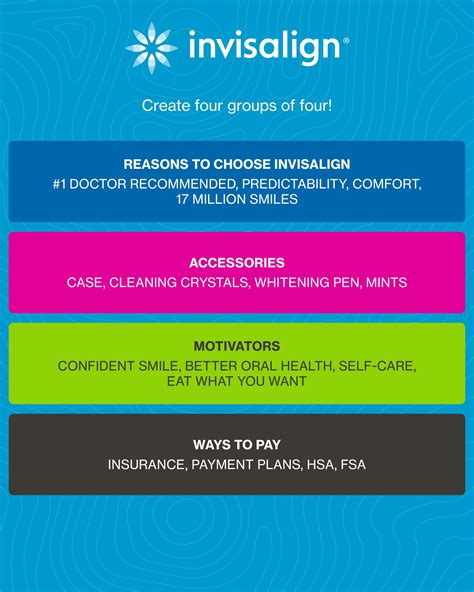
Even with insurance, significant out-of-pocket costs for Invisalign are common. Fortunately, you can leverage tax-advantaged accounts like Flexible Spending Accounts (FSAs) and Health Savings Accounts (HSAs) to reduce the financial burden. These accounts allow you to set aside pre-tax dollars for eligible healthcare expenses, including orthodontic treatment.
Using pre-tax money effectively lowers your taxable income, resulting in savings equivalent to your tax rate on the amount spent. For example, if you are in a 24% tax bracket and use $3,000 from your FSA/HSA for Invisalign, you could save approximately $720 in taxes. Both FSAs and HSAs typically cover Invisalign costs not paid by insurance. Check your specific plan rules, but orthodontic treatment is generally an eligible expense. Learn about eligible FSA expenses on healthcare.gov.
Beyond FSAs and HSAs, many orthodontic practices offer in-house payment plans. These often involve an initial down payment followed by monthly installments spread over the treatment duration, frequently interest-free. Alternatively, third-party financing options like CareCredit specialize in healthcare financing, offering various payment plans, some with promotional interest-free periods if paid within a specific timeframe. Explore healthcare financing options like CareCredit.
| Savings Option | Description | Key Benefit | Considerations |
|---|---|---|---|
| FSA (Flexible Spending Account) | Employer-sponsored account; use pre-tax dollars for healthcare. Funds typically expire yearly (“use it or lose it”). | Tax savings on out-of-pocket costs. | Contribution limits set by IRS; tied to employment; potential forfeiture of unused funds. |
| HSA (Health Savings Account) | Tax-advantaged savings account paired with a high-deductible health plan (HDHP). Funds roll over year-to-year and are portable. | Tax savings (contribution, growth, withdrawal for healthcare); long-term savings potential. | Must have an HDHP to contribute; contribution limits set by IRS. IRS details on HSAs. |
| In-House Payment Plan | Offered directly by the orthodontist; typically involves a down payment and monthly installments. | Often interest-free; convenient payments aligned with treatment. | May require a good credit check; payment duration usually tied to treatment length. |
| Third-Party Financing | Companies like CareCredit offering loans specifically for healthcare expenses. | Can cover entire cost; various repayment terms available. | Interest accrues if not paid within promotional period; requires credit approval. |
Combining insurance benefits with FSA/HSA contributions and a manageable payment plan can make Invisalign significantly more affordable in 2025.
What if My Insurance Doesn’t Cover Invisalign?
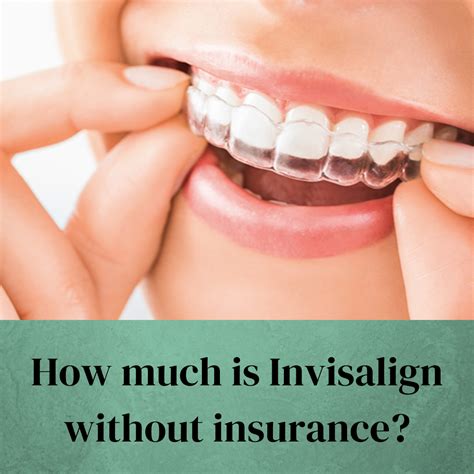
Discovering your insurance plan offers little or no coverage for Invisalign can be disappointing, but it doesn’t necessarily mean treatment is out of reach. Several strategies can help manage the cost even without significant insurance contributions.
Firstly, thoroughly explore the payment options discussed previously: FSAs, HSAs, provider payment plans, and third-party financing remain valuable tools. Even without insurance, using pre-tax dollars via an FSA or HSA provides substantial savings. Negotiating a flexible payment plan directly with your orthodontist is also crucial. Secondly, inquire about potential discounts. Some providers offer a small discount for paying the full treatment fee upfront. Others might offer family discounts if multiple members are undergoing treatment.
Consider whether a less extensive Invisalign option might suit your needs. Invisalign Express or Invisalign Lite are designed for minor adjustments and have shorter treatment times, translating to lower costs compared to Invisalign Full. Discuss with your provider if these are viable alternatives for your specific case. See different Invisalign treatment options on the official site. Comparing quotes from multiple qualified Invisalign providers is also wise. While quality of care is paramount, pricing can vary, and obtaining a few estimates ensures you understand the typical market rate in your area.
| Strategy | Description | Potential Impact |
|---|---|---|
| Utilize FSA/HSA | Use pre-tax dollars to pay for treatment. | Reduces overall cost by your tax percentage. |
| Provider Payment Plan | Arrange monthly installments directly with the orthodontist’s office. | Spreads cost over time, often interest-free. |
| Third-Party Financing | Apply for healthcare credit lines (e.g., CareCredit). | Provides funding; check interest rates/terms. |
| Negotiate/Ask for Discounts | Inquire about pay-in-full, family, or other potential discounts. | Can yield modest savings (e.g., 3-5%). |
| Consider Invisalign Lite/Express | If suitable for your case, these shorter treatments cost less than Full. | Potentially lowers total cost significantly. |
| Compare Provider Quotes | Get consultations and quotes from 2-3 qualified providers. | Ensures competitive pricing for your area. |
| Look into Dental Schools | Orthodontic programs at universities may offer treatment at reduced costs. | Lower cost, but treatment may take longer. |
| Re-evaluate Insurance Options | Consider switching dental plans during open enrollment for better ortho coverage. | Future benefit, but check waiting periods/limits. |
Don’t be discouraged if insurance coverage is minimal. Proactively exploring these alternatives can help make your desired smile achievable.
Conclusion
Determining how much Invisalign costs with insurance in 2025 requires a personalized approach. While the baseline cost typically ranges from $3,000 to $8,000, your actual out-of-pocket expense hinges critically on your specific dental insurance plan’s details – particularly the lifetime orthodontic maximum, coverage percentage, and any age limitations.
Remember to proactively verify your benefits directly with your insurance provider and discuss all costs and payment options thoroughly with your chosen Invisalign orthodontist. Leveraging tax-advantaged accounts like FSAs and HSAs, alongside available payment plans, can significantly bridge the gap left by insurance. Even without substantial coverage, alternative strategies exist to make treatment more manageable. By doing your research and planning carefully, you can confidently navigate the financial aspects of achieving your ideal smile with Invisalign in 2025.
Meta Title Suggestion: How Much is Invisalign With Insurance in 2025? Costs & Coverage Explained
Meta Description Suggestion: Estimate your 2025 Invisalign cost with insurance. Learn about coverage limits, LTMs, FSAs/HSAs, and how to save on your treatment.
Internal Linking Suggestions:
- If you have a page detailing the “Invisalign Treatment Process,” link to it from the “Understanding the Baseline Cost” section.
- If you have an article on “Benefits of Straight Teeth,” link to it from the Conclusion or Introduction.
- If you have a comparison page like “Invisalign vs. Traditional Braces,” link to it when discussing treatment options or coverage specifics.