

How Much is a Dental Crown Without Insurance in 2025?
Understand the typical price range for dental crowns without insurance and the key factors influencing the final cost you’ll pay for this procedure.
A dental crown is a common restorative treatment, but navigating the cost without insurance can be daunting. Prices vary significantly, and understanding the contributing factors is crucial for budgeting and making informed decisions about your dental health. While predicting exact costs for 2025 involves some estimation based on current trends, this guide breaks down the expected expenses and influencing variables.
Understanding Dental Crown Costs: What Influences the Price?
https://www.google.com/maps/search/?api=1&query=New+York+Dental+Clinic
Several key elements determine the final price tag for a dental crown when you don’t have insurance coverage. Economic factors like inflation and supply chain costs for materials can also influence pricing trends heading into 2025. Your dentist considers these elements when providing a quote.
The most significant factors include the type of material used for the crown, the geographic location of the dental practice, the complexity of your specific case, and the dentist’s experience and qualifications. Additionally, associated laboratory fees for fabricating the crown play a substantial role.
| Factor | Description | Potential Cost Impact |
|---|---|---|
| Crown Material | Type of material used (e.g., porcelain, zirconia, metal, resin). | High |
| Geographic Location | Costs vary significantly between urban/rural areas and different states. | High |
| Dentist’s Expertise | More experienced dentists or specialists may charge higher fees. | Medium |
| Laboratory Fees | Cost charged by the dental lab that fabricates the custom crown. | Medium |
| Case Complexity | Need for additional procedures (root canal, core buildup) increases cost. | Medium to High |
| Technology Used | Advanced technology (e.g., CEREC same-day crowns) might affect price. | Medium |
| Economic Factors | Inflation, material costs, and overhead influence overall dental pricing. | Medium |
Average Cost of Different Types of Dental Crowns (Without Insurance)
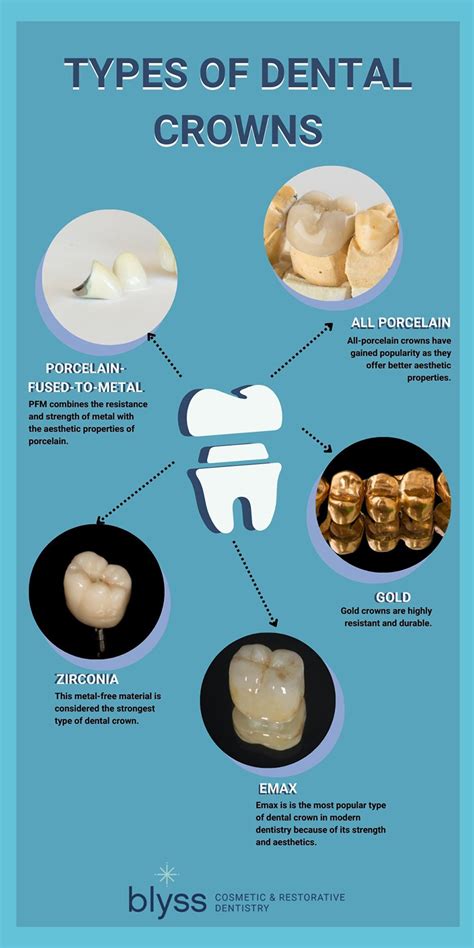
The material chosen for your crown is arguably the biggest driver of cost variation. Each material offers different benefits in terms of durability, aesthetics, and price point. Below are estimated ranges for 2024-2025, keeping in mind that these can fluctuate. Always get a specific quote from your dentist.
| Crown Type | Estimated Cost Range (Without Insurance) | Key Characteristics |
|---|---|---|
| Resin | $600 – $1,000 | Least expensive, less durable, prone to wear |
| Base Metal Alloy | $800 – $1,800 | Strong, durable, less aesthetic |
| Porcelain-Fused-to-Metal (PFM) | $850 – $2,000 | Good strength, decent aesthetics, metal may show |
| All-Porcelain/All-Ceramic | $1,000 – $2,500 | Excellent aesthetics, good durability |
| Zirconia | $1,200 – $2,800 | Very strong, good aesthetics, biocompatible |
| E-Max (Lithium Disilicate) | $1,200 – $2,800 | Superior aesthetics, strong, often preferred for front teeth |
| Gold Alloy | $1,200 – $3,000+ | Highly durable, biocompatible, less aesthetic |
Porcelain-Fused-to-Metal (PFM) Crowns
PFM crowns offer a balance between strength and appearance. They have a metal substructure covered with a porcelain layer. While durable, the metal base can sometimes show as a dark line at the gumline, especially if gums recede. They represent a common mid-range cost option.
All-Porcelain or All-Ceramic Crowns
These crowns provide the most natural tooth appearance, making them ideal for front teeth. Materials like lithium disilicate (E-Max) fall into this category. While aesthetically superior, they might not be as strong as metal or zirconia crowns, though advancements are improving their durability. Their cost reflects the aesthetic quality and materials. For more details on materials, the American Dental Association (ADA) provides patient resources.
Zirconia Crowns
Zirconia is a very strong ceramic material known for its durability and biocompatibility. It resists wear and tear well, making it suitable for molars. Layered zirconia offers better aesthetics than solid zirconia, approaching the look of all-porcelain crowns. Their strength and aesthetic potential place them in the higher cost bracket.
E-Max Crowns
E-Max is a specific type of lithium disilicate ceramic renowned for its translucency and lifelike appearance. It’s strong and often the preferred choice for highly visible teeth. The combination of excellent aesthetics and good strength contributes to its position as a premium-priced option.
Gold Alloy Crowns
Gold alloy crowns (containing gold, copper, and other metals) are incredibly durable and gentle on opposing teeth. They are highly biocompatible. However, their metallic appearance makes them less popular for visible teeth. The cost fluctuates with the price of gold and other precious metals used in the alloy.
Base Metal Alloy Crowns
These crowns use non-noble metals and are very strong and corrosion-resistant. They require less tooth structure removal than some other types. Like gold crowns, their main drawback is the metallic appearance. They are generally more affordable than gold or high-end ceramic options.
Resin Crowns
Resin crowns are the most affordable option but also the least durable. They are more prone to fractures and wear down faster than other materials. They are often considered a temporary solution rather than a permanent restoration due to their shorter lifespan.
Additional Costs Associated with Getting a Crown
The quoted price for the crown itself might not be the total cost of the procedure. Several related treatments may be necessary before or during the crown placement, adding to the overall expense when paying without insurance.
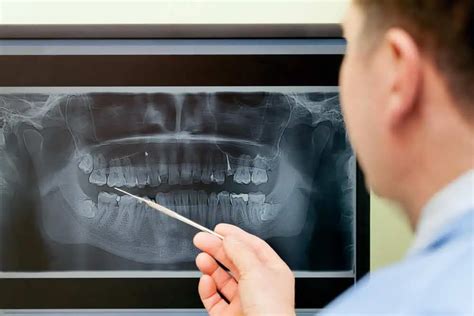
You should anticipate potential costs for the initial examination and diagnostic X-rays. If the tooth’s nerve is damaged or infected, a root canal treatment will be required before placing the crown. If significant tooth structure is missing, a core buildup might be necessary to support the crown. A temporary crown is usually placed while the permanent one is made, and sedation options also add to the cost if chosen.
| Additional Service/Procedure | Necessity | Estimated Cost Range (Without Insurance) |
|---|---|---|
| Initial Consultation/Exam | Always required | $50 – $250 |
| Dental X-rays | Usually required for diagnosis | $30 – $300 (depending on type/number) |
| Root Canal Treatment | If nerve is infected/damaged | $700 – $2,000+ (per tooth) |
| Core Buildup | If insufficient tooth structure remains | $200 – $500 |
| Temporary Crown | Usually included, but sometimes separate fee | $50 – $150 (if charged separately) |
| Dental Sedation | Optional (for anxiety) | $100 – $1,000+ (depending on type) |
How Geographic Location Impacts Crown Costs
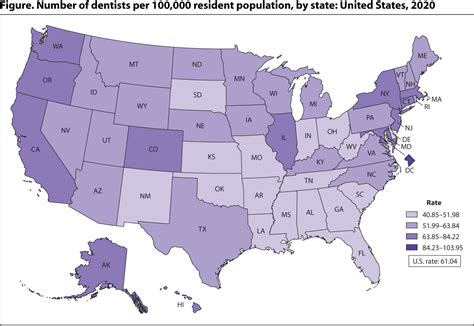
Where you live plays a surprisingly large role in determining “how much is a crown without insurance.” Dental fees are often higher in major metropolitan areas and certain states (like those on the coasts) compared to smaller towns or states with a lower cost of living.
This variation stems from differences in overhead costs for dental practices (rent, staff salaries) and local market competition. Lab fees can also vary regionally. Understanding this can help set realistic expectations based on your location.
| Location Type | Example Estimated Cost Range (Mid-Range Crown like PFM/Zirconia) | Reason for Variation |
|---|---|---|
| Major Metro Area | $1,500 – $3,000+ | Higher overhead, cost of living, competition |
| Suburban Area | $1,200 – $2,500 | Moderate overhead and cost of living |
| Rural/Small Town | $900 – $2,000 | Lower overhead and cost of living |
| National Average | ~$1,000 – $2,500 | Benchmark reference |
Note: These are illustrative ranges and actual costs vary widely.
Ways to Save Money on Dental Crowns Without Insurance
Facing a $1,000+ bill for a dental crown without insurance can be stressful. Fortunately, several avenues exist to potentially reduce the cost or make it more manageable. Exploring these options requires some research and initiative.
Consider checking local dental schools or dental hygiene schools, where procedures are performed by students under close supervision at significantly lower costs. Look into community dental clinics or Federally Qualified Health Centers (FQHCs) that offer services on a sliding scale based on income. Dental savings plans provide discounts on procedures for an annual fee. Many dental offices offer in-house payment plans or work with third-party financing companies like CareCredit. Don’t hesitate to politely discuss the cost with your dentist; sometimes a small discount is possible for cash payments.
| Savings Method | Description | Potential Savings | Considerations |
|---|---|---|---|
| Dental Schools | Treatment by supervised students. | High (often 50%+) | Longer appointment times, limited locations. |
| Community Clinics/FQHCs | Sliding scale fees based on income. | Variable (Moderate-High) | Eligibility requirements, potential wait times. |
| Dental Savings Plans | Annual fee for access to discounted rates from participating dentists. | Moderate (10-60%) | Not insurance, network limitations, annual fee. |
| In-House Payment Plans | Spread payments over time directly with the dental office. | N/A (Manages cash flow) | Interest may apply, requires agreement with office. |
| Third-Party Financing | Credit lines specifically for healthcare expenses (e.g., CareCredit). | N/A (Manages cash flow) | Requires credit approval, potential high interest. |
| Negotiation/Cash Discount | Asking the dental office for a discount, especially for upfront payment. | Low (5-15%) | Depends on office policy, not guaranteed. |
| Dental Tourism | Traveling to another country for cheaper dental work. | High | Risky, requires travel, follow-up care difficult. |
You can often find accredited dental schools through the Commission on Dental Accreditation (CODA).
Are There Cheaper Alternatives to Dental Crowns?
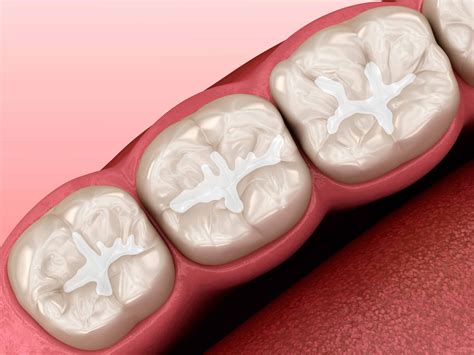
While a crown is often the ideal solution for a significantly damaged or weakened tooth, alternative treatments might be suitable in specific situations, potentially offering cost savings. However, the best option depends entirely on the condition of your tooth.
For smaller areas of decay or damage, a large dental filling might suffice, though it doesn’t provide the same structural support as a crown. Inlays or onlays (sometimes called partial crowns) are more conservative options when damage is moderate, preserving more natural tooth structure. Veneers primarily address cosmetic issues on front teeth and aren’t suitable for significant structural damage. In severe cases where the tooth cannot be saved, extraction followed by a bridge or dental implant is an alternative, though often more expensive in the long run than a single crown. [Link to Your Article Comparing Restorative Options]
| Alternative Treatment | When It Might Be Suitable | Estimated Cost Range (Without Insurance) | Pros vs. Crown | Cons vs. Crown |
|---|---|---|---|---|
| Large Filling | Minor to moderate decay/fracture. | $150 – $500 | Less expensive, less tooth removal | Less durable, doesn’t protect cusp fractures. |
| Inlay/Onlay | Moderate decay/damage, cusps intact (inlay) or covered (onlay). | $650 – $1,500 | More conservative than crown, durable | More expensive than filling, not always suitable. |
| Veneer | Primarily cosmetic issues on front teeth, minor damage. | $900 – $2,500 (per tooth) | Excellent aesthetics | Not for structural support, only front teeth. |
| Extraction | Tooth is non-restorable. | $150 – $600+ | Removes problematic tooth | Creates gap, requires replacement (bridge/implant). |
| Bridge/Implant | Replacement after extraction. | $2,000 – $5,000+ (bridge), $3,000 – $6,000+ (implant) | Permanent replacement | Significantly more expensive initially. |
Planning for Dental Crown Costs in 2025 and Beyond
Anticipating dental expenses, especially significant ones like crowns, is key when you lack insurance. While exact 2025 prices are uncertain, understanding current costs and factors allows for better preparation. Dental costs generally tend to rise over time due to inflation and advancements in materials and technology.
Proactive planning involves getting detailed quotes from potential dentists, understanding exactly what the estimate includes (and excludes), exploring the cost-saving options mentioned earlier, and budgeting accordingly. Don’t hesitate to ask questions about the necessity of the crown, the different material options [Link to Your Article on Crown Materials], and potential payment arrangements [Link to Your Article About Financing Dental Work]. A resource like FAIR Health Consumer can sometimes provide cost estimations for dental procedures in your area, offering a benchmark.
| Planning Step | Action | Importance |
|---|---|---|
| Get Detailed Quotes | Obtain written estimates from one or two dentists. | Allows comparison, clarifies included costs. |
| Understand Treatment Plan | Ask why the crown is needed and about alternatives. | Ensures informed consent and explores options. |
| Discuss Material Options | Inquire about different crown materials and their costs/benefits. | Helps balance budget with desired outcome. |
| Explore Savings Avenues | Research dental schools, clinics, discount plans. | Potentially reduces out-of-pocket expense. |
| Inquire About Payment Plans | Ask the dental office about in-house financing or third-party options. | Makes the cost more manageable over time. |
| Budget Accordingly | Set aside funds specifically for the anticipated dental expense. | Reduces financial stress when treatment occurs. |
| Factor in Potential Extras | Budget slightly more for unexpected needs like core buildups. | Avoids surprises in the final bill. |
Conclusion
Determining “how much is a crown without insurance” reveals a wide price range, heavily influenced by material choice, location, dentist fees, and associated procedures. For 2025, expect costs potentially ranging from $600 for basic resin crowns to upwards of $3,000 for high-end options like gold or E-Max, excluding additional treatments like root canals.
Understanding these factors empowers you to have informed discussions with your dentist. Exploring cost-saving options like dental schools, savings plans, or payment arrangements can significantly ease the financial burden. While alternatives exist, a dental crown is often the most durable and effective long-term solution for restoring a compromised tooth. Always prioritize professional dental advice and obtain clear, itemized quotes before proceeding with treatment.