

Can I Insure a Car Not in My Name in 2025?
Exploring the complexities of insuring a vehicle you don’t own. Understand the rules, exceptions, and alternatives available to drivers in 2025.

Getting behind the wheel often comes with the responsibility of car insurance. But what happens when the car you regularly drive isn’t registered in your name? This common question – “can I insure a car not in my name?” – leads to confusion for many drivers. While the straightforward answer is typically no, the reality involves nuances, specific exceptions, and alternative solutions. Insurance policies are fundamentally tied to ownership and financial interest.
Understanding this relationship is key to navigating your coverage options correctly in 2025. Insurers need assurance that the policyholder has a legitimate reason to protect the vehicle against loss or damage. Let’s delve into the core principles and practical scenarios surrounding this insurance puzzle.
Understanding “Insurable Interest”: The Core Principle

https://www.google.com/maps/search/?api=1&query=State+Farm+Corporate+Headquarters+Bloomington+IL
At the heart of insuring any asset, especially a vehicle, lies the concept of “insurable interest.” This legal principle dictates that the person purchasing the insurance policy must stand to suffer a direct financial loss if the insured property (the car) is damaged, destroyed, or causes harm to others. Without insurable interest, an insurance policy can resemble a wager, which regulators and insurers actively avoid.
Typically, the registered owner of the vehicle automatically has insurable interest. They own the asset and would face repair costs, replacement costs, or liability claims if something happened. If you don’t own the car, proving you have a comparable financial stake becomes the primary hurdle. Insurers need this link to ensure the policy serves its intended purpose: indemnification (making someone whole after a loss), not profit. For more information on this principle, resources like the International Risk Management Institute (IRMI) offer detailed explanations.
| Concept Area | Description | Why It Matters for Insurance |
|---|---|---|
| Definition | A financial stake in the insured item; suffering loss if it’s damaged. | Basis for a valid insurance contract. |
| Typical Holder | Registered owner, lienholder (lender). | Clear financial loss potential. |
| Non-Owner Issue | Difficult to prove direct financial loss if you don’t own the car. | Insurers see higher risk, potential for fraud. |
| Purpose | Prevents insurance from being used as a gamble; ensures valid claims. | Upholds the principle of indemnity. |
| Legal Requirement | Generally required by law and insurance regulations for policy validity. | Protects both the insurer and the insured. |
Why Insurance Companies Are Hesitant

Insurance companies operate on risk assessment. When the person seeking insurance doesn’t own the vehicle, several red flags appear from the insurer’s perspective. Their primary concern revolves around managing risk effectively and preventing potential fraud or complications. Insuring a car for a non-owner introduces uncertainties that standard policies aren’t designed to handle smoothly.
Firstly, there’s the issue of “moral hazard.” This refers to the increased possibility that the insured person might take fewer precautions to protect the vehicle since they don’t bear the ultimate financial burden of its loss. Secondly, tracking responsibility becomes complex. Who ensures the car is properly maintained? Who controls who drives it? The owner retains legal control, but the non-owner policyholder introduces a layer of separation that insurers find risky. Finally, claim payouts can become complicated. If the car is totaled, who receives the payout – the policyholder or the owner? This ambiguity can lead to disputes.
| Insurer Concern | Description | Impact on Policy Decision |
|---|---|---|
| Moral Hazard | Reduced incentive for the non-owner policyholder to protect the car. | Higher perceived risk of claims. |
| Lack of Control | Policyholder doesn’t control vehicle maintenance or who drives it. | Difficulty assessing true usage risk. |
| Claim Payout Complexity | Ambiguity over who receives claim money (policyholder vs. owner). | Potential for disputes, legal issues. |
| Fraud Potential | Increased opportunity for staged accidents or fraudulent claims. | Heightened scrutiny, likely denial. |
| Insurable Interest | Lack of clear financial stake challenges the policy’s fundamental validity. | Primary reason for policy refusal. |
| Tracking & Monitoring | Difficulty monitoring driving habits and vehicle condition when owner/policyholder differ. | Undermines standard risk assessment. |
Common Scenarios: When Might This Question Arise?
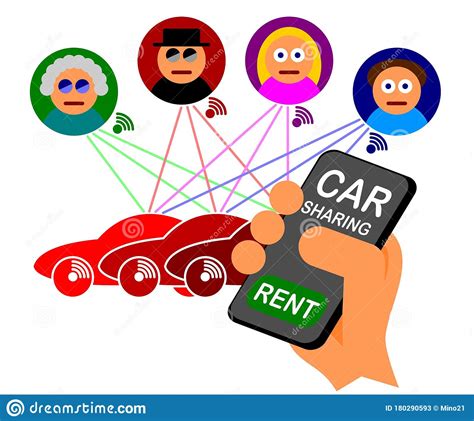
The need to insure a car not registered in your name often stems from practical, everyday situations. Understanding these common scenarios helps clarify why the “insurable interest” rule exists and what alternative solutions might apply.
Driving a Family Member’s Car Regularly
Perhaps you live with your parents and primarily drive a car registered in their name, or maybe you regularly use a sibling’s vehicle. In these cases, directly insuring the car yourself is usually not possible or necessary. The standard solution is for the car’s owner (your parent or sibling) to add you as a listed or rated driver on their auto insurance policy. This extends their coverage to you while you operate that specific vehicle. Failing to list regular drivers can lead to claim denials.
Borrowing a Friend’s Car Occasionally vs. Long-Term
If you borrow a friend’s car for a short trip, their insurance policy typically provides “permissive use” coverage. This means their insurance covers you temporarily, assuming you had their permission. However, if you start driving their car regularly (e.g., commuting daily for weeks or months), permissive use likely won’t apply. The owner needs to add you as a listed driver, or you face the challenge of needing your own coverage solution, which circles back to the insurable interest problem. Long-term borrowing without being listed is risky for both parties.
Using a Car Owned by a Roommate or Partner (Unmarried)
Similar to family situations, if you regularly drive a car owned by a roommate or an unmarried partner, the owner must typically add you to their policy as a listed driver. Insurers often require household members with driving access to be listed. Attempting to get your own separate policy on their car will likely be denied due to the lack of insurable interest. Transparency with the owner’s insurer is crucial.
Company Cars
If you drive a vehicle owned by your employer, the insurance is generally handled through a commercial auto policy held by the company. You typically don’t need (and wouldn’t be able to get) a separate personal policy for the company car itself. Ensure you understand the specifics of your employer’s coverage and usage restrictions.
| Scenario | Common Situation | Usual Insurance Solution | Key Consideration |
|---|---|---|---|
| Driving Parent’s/Family Car | Living at home, student use, regular borrowing. | Be added as a listed/rated driver on the owner’s policy. | Owner must inform their insurer. |
| Borrowing Friend’s Car (Short) | Occasional use for errands, short trips. | Owner’s policy likely covers via “permissive use.” | Must have explicit permission. |
| Borrowing Friend’s Car (Long) | Regular commuting, extended use over weeks/months. | Owner must add you as a driver; permissive use unlikely. | High risk if not properly insured. |
| Roommate/Partner’s Car | Sharing a vehicle within the household (unmarried). | Owner adds you as a listed driver on their policy. | Insurers often require listing drivers. |
| Company Car | Driving a vehicle provided by your employer. | Covered by the company’s commercial auto insurance policy. | Understand company policy limits. |
Potential Solutions and Alternatives

While directly insuring a car you don’t own is generally not feasible due to insurable interest requirements, several legitimate alternatives exist depending on your specific circumstances. Exploring these options is crucial for ensuring you’re legally covered while driving.
Being Added as a Listed Driver (Requires Owner’s Policy)
This is the most common and straightforward solution when you regularly drive someone else’s car (family, partner, roommate). The vehicle’s registered owner contacts their insurance company and adds you to their policy as a “listed driver” or “rated driver.” This explicitly extends their coverage to you when you operate the insured vehicle. Keep in mind this may increase the owner’s premium, especially if you are a young or high-risk driver.
Non-Owner Car Insurance Policies
If you frequently borrow cars or need liability coverage but don’t own a vehicle yourself, a non-owner car insurance policy might be suitable. This type of policy provides liability coverage (bodily injury and property damage) for you when you drive a car you don’t own. Crucially, it does not cover physical damage (collision or comprehensive) to the car you are driving – that responsibility still falls on the owner’s insurance. It’s secondary coverage, meaning the car owner’s insurance pays out first if there’s an accident. This is often used by people who need an SR-22 filing but don’t own a car. Reputable sources like NerdWallet provide good overviews of these policies.
Co-Titling the Vehicle (Shared Ownership)
If feasible and appropriate for the relationship (e.g., spouses, partners, potentially parent/child), you could become a co-owner of the vehicle by adding your name to the title. As a registered owner, you establish clear insurable interest. Both co-owners would typically be listed on the insurance policy. This involves paperwork with your state’s Department of Motor Vehicles (DMV) or equivalent agency.
Transferring Ownership
In some situations, the simplest long-term solution might be to formally transfer the vehicle’s title into your name. This makes you the legal owner, granting undisputed insurable interest and allowing you to purchase your own standard auto insurance policy without issue. This is a significant step involving potential sales tax and registration fees, making it suitable only when a permanent change in ownership is intended.
| Solution | How It Works | Who It’s For | Key Limitation / Consideration |
|---|---|---|---|
| Listed Driver | Car owner adds you to their policy. | Regular drivers of someone else’s car (family, roommates). | Requires owner’s cooperation; may increase their premium. |
| Non-Owner Policy | Provides liability coverage for you when driving borrowed cars. | Frequent borrowers, those needing SR-22 without owning a car. | Does not cover damage to the borrowed car. |
| Co-Titling Vehicle | Add your name to the car’s title, becoming a co-owner. | Partners, family members seeking shared legal ownership. | Requires DMV process; shared legal/financial responsibility. |
| Transferring Ownership | Formally buy or receive the car, putting the title solely in your name. | Situations where permanent ownership change is desired/needed. | Involves costs (taxes, fees); becomes your full responsibility. |
State-Specific Variations and Considerations
While the principle of insurable interest is universal in the US insurance industry, the specific interpretation and application of insurance laws can vary slightly from state to state. State Departments of Insurance (DOI) and Departments of Motor Vehicles (DMV) set the regulations that govern auto insurance requirements within their borders.
Some states might have subtly different definitions or thresholds for establishing insurable interest, although owning the vehicle remains the most straightforward way. The availability and specific rules surrounding non-owner policies can also differ. Furthermore, state minimum liability requirements vary significantly, which impacts the cost and coverage levels of any policy, including non-owner policies. Always consult resources specific to your state. Your state’s official Department of Insurance website is the best starting point for authoritative local information.
It’s also essential to communicate clearly and honestly with insurance agents about your specific situation and location. An agent licensed in your state can provide the most accurate guidance based on local regulations and the underwriting guidelines of the specific insurance companies they represent. Don’t assume a solution that works in one state is automatically valid in another.
| Factor | Why It Varies by State | How It Impacts Your Situation | Where to Find Info |
|---|---|---|---|
| Insurable Interest Definition | Slight legal nuances in state statutes. | Unlikely to override ownership but could affect edge cases. | State DOI, Legal Counsel |
| Minimum Liability Limits | Each state sets its own minimum required coverage amounts. | Affects cost/coverage of non-owner or standard policies. | State DOI/DMV Websites |
| Non-Owner Policy Rules | Availability and specific conditions might differ. | Could impact your ability to get this type of alternative policy. | Insurance Agents, State DOI |
| Permissive Use Rules | State laws/case law can influence how permissive use is applied. | Affects coverage when occasionally borrowing. | Insurance Policy Docs, State DOI |
| SR-22 Requirements | Filing processes and triggers vary by state. | Impacts need/process for non-owner policy if SR-22 is required. | State DMV Website |
| Household Driver Rules | State regulations on listing household members may differ. | Affects requirements for adding family/roommates to policies. | Insurance Agents, State DOI |
Steps to Take if You Need Coverage

Navigating insurance when you don’t own the car requires clear communication and exploring the right channels. If you find yourself needing coverage for a vehicle not registered in your name, follow these actionable steps:
- Talk to the Car Owner: This is the essential first step. Discuss your need to drive the car regularly. The easiest solution is often for them to add you as a listed driver to their existing policy. Be prepared to share your driving history information with them.
- Gather Information: Collect details about the vehicle (VIN, make, model, year), your driving record, and the driving habits of everyone who uses the car.
- Contact the Owner’s Insurance Company (or have them do it): Inquire about adding you as a listed driver. Understand the premium impact and ensure the coverage levels are adequate.
- Explore Non-Owner Insurance: If being added isn’t feasible, or if you frequently drive multiple borrowed cars, research non-owner policies. Get quotes from several reputable insurance companies. Remember, this only covers liability, not the car itself.
- Consider Ownership Changes: If regular, long-term use is expected, discuss co-titling or transferring ownership with the current owner. Evaluate the legal and financial implications with your state’s DMV. You can usually find relevant forms and fee information on your state’s official DMV website (e.g., the California DMV).
- Consult Licensed Insurance Agents: Speak with independent agents or representatives from different insurance companies licensed in your state. Explain your situation clearly and honestly to get professional advice tailored to local regulations and company policies.
- Do Not Drive Uninsured: Never operate a vehicle without ensuring proper insurance coverage is in place. The consequences of driving uninsured are severe, including fines, license suspension, and personal liability for damages.
| Step | Action | Purpose | Key Resource/Tool |
|---|---|---|---|
| 1. Communicate | Discuss driving needs with the car owner. | Align on the situation; explore adding you to their policy. | Car Owner |
| 2. Gather Details | Collect vehicle info, driving records (yours & owner’s). | Provide necessary info to insurers/agents. | Vehicle Registration, Driver’s License |
| 3. Contact Owner’s Insurer | Have the owner inquire about adding you as a listed driver. | Determine feasibility and cost of the most common solution. | Owner’s Insurance Company |
| 4. Research Non-Owner Policy | Get quotes and understand coverage limitations. | Explore alternative liability coverage if needed. | Insurance Company Websites, Agents |
| 5. Evaluate Ownership | Discuss co-titling or title transfer with the owner. | Consider long-term solutions involving legal ownership. | State DMV Website |
| 6. Consult Agents | Speak with multiple licensed agents in your state. | Get expert advice based on local rules and specific company policies. | Licensed Insurance Agents |
| 7. Ensure Coverage | Confirm a valid policy is active before driving. | Avoid legal and financial penalties of driving uninsured. | Policy Documents, Insurance ID Card |
Conclusion
In summary, directly insuring a car not registered in your name in 2025 remains generally impossible due to the fundamental insurance principle of “insurable interest.” Insurance companies require policyholders to have a demonstrable financial stake in the vehicle they wish to insure.
However, this doesn’t mean you’re without options if you regularly drive a car owned by someone else. The most common and recommended solution is for the vehicle’s owner to add you as a listed driver on their existing auto insurance policy. For those who frequently borrow various cars but don’t own one, a non-owner insurance policy can provide essential liability protection, though it won’t cover damage to the borrowed vehicle itself. In specific situations, exploring co-titling or transferring ownership might be viable long-term solutions.
Ultimately, clear communication with the vehicle owner and consulting with licensed insurance professionals in your state are crucial steps. They can help you navigate state-specific regulations and find the most appropriate and legal way to ensure you are adequately covered before you get behind the wheel. Driving without proper insurance carries significant risks, so always prioritize securing the right coverage for your situation.
Can I Insure a Car Not in My Name? (2025 Guide) | Rules & Alternatives, Find out if you can insure a car you don’t own in 2025. Learn about insurable interest, non-owner policies, listed drivers, and state rules.
- IRMI (International Risk Management Institute): For defining insurable interest. (URL provided in text)
- NerdWallet: For explaining non-owner car insurance. (URL provided in text)
- NAIC (National Association of Insurance Commissioners): For linking to state DOI directories. (URL provided in text)
- State DMV Website (Example – California DMV): As a source for title transfer information. (URL provided in text)
- (Implicitly referenced): General principles often covered by major insurers like State Farm, Geico, Progressive on their informational pages, or consumer resources like the Insurance Information Institute (III.org). Adding a link to III.org for general consumer insurance info could be beneficial. Example: Insurance Information Institute (III.org)